Indigenous fruit trees are part of the food, culture and ecology of many Tanzanian landscapes. Their fruits are gathered and eaten in season, their uses are passed between generations, and the trees provide resources for wildlife and other parts of the ecosystem. Yet in some areas, land conversion, repeated cutting, charcoal production, fire and unsustainable harvesting are putting pressure on natural vegetation. Supporting the propagation of locally appropriate wild fruit species offers one way to connect restoration with food and livelihoods.
What research in Tanzania has documented
An ethnobotanical study in the miombo woodlands of Tabora Region documented 27 wild edible fruit species used by local communities. The researchers consulted 244 informants and recorded species including Vitex mombassae, Strychnos spinosa, Vitex payos, Vangueria infausta, Tamarindus indica and Parinari curatellifolia. The study describes both the value of these fruits and the importance of local knowledge in identifying, using and conserving them.
The findings from Tabora should not be treated as a complete inventory for every part of Tanzania. Species distribution, local names, fruiting seasons and preferred uses can differ from one area to another. Any programme in Pwani Region or Kibaha District, for example, should begin by confirming which species occur naturally in the local landscape and which are valued by residents.
Why domestication deserves attention
Domestication in this context means learning how to propagate and manage useful indigenous species beyond their existing wild stands, while maintaining their ecological value and genetic diversity. It is not simply a matter of planting any fruit tree in any available space. Species selection and planting sites need to reflect local ecology, land use and the needs of the people who will care for the trees.
- Landscape restoration: Native trees suited to a site can help restore vegetation structure, provide habitat and contribute to soil protection. Restoration plans should use species appropriate to the original ecosystem.
- Food and nutrition: Wild fruits can add variety to seasonal diets. Nutrient content differs by species and maturity, so nutrition claims should be based on reliable evidence rather than assumed for all fruits.
- Household resilience: Seasonal fruits may provide an additional food resource and, where surplus is available, a product for local processing or sale.
- Local enterprise: Seed collection, nursery management, fruit handling, processing, storage and marketing can create opportunities when there is a viable market and fair benefit-sharing.
- Knowledge conservation: Recording local names, uses, fruiting calendars and harvesting practices helps preserve knowledge and supports better species management.
A careful approach to community propagation
The first step is a participatory inventory. Community members, farmers, elders and technical officers can identify locally valued trees, their locations, uses and seasonal patterns. Botanical identification should be confirmed before seed is collected or seedlings are labelled. This is particularly important because the same local name may refer to different plants in different places.
- Map priority species and identify the threats affecting their natural populations.
- Select healthy mother trees and collect seed or other propagation material without damaging the source population.
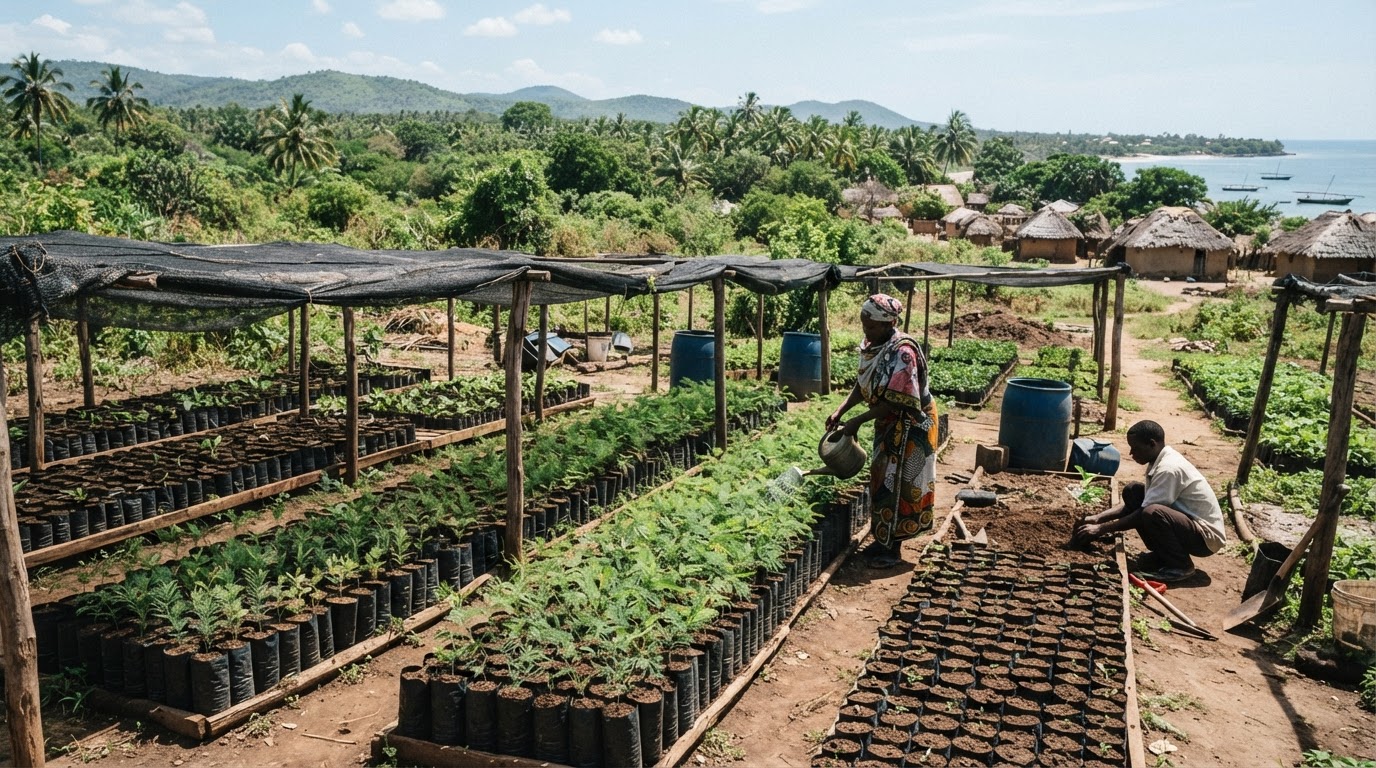
- Establish small community or school nurseries and keep records of species, seed source, germination and care.
- Test propagation methods and monitor seedling survival before expanding production.
- Plant only on suitable sites, with the consent of landholders and advice from relevant forestry or agricultural officers.
- Monitor survival, growth, flowering, fruiting and community use over several seasons—not only immediately after planting.
Schools, women and young people can contribute
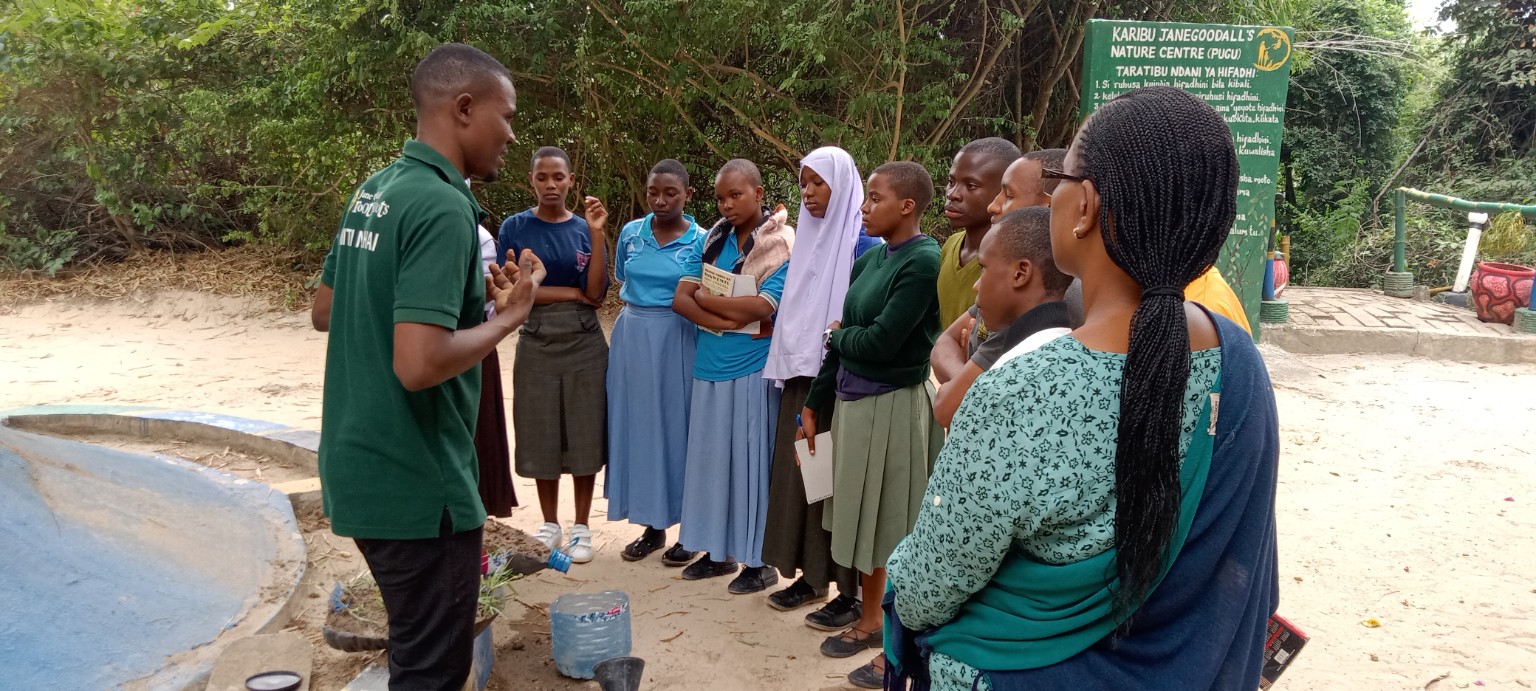
School environmental clubs can maintain demonstration nurseries and use indigenous trees to teach biodiversity, nutrition and climate adaptation. Women’s groups and youth enterprises may take part in seedling production, fruit drying, hygienic processing, packaging and marketing. Such activities need practical training, access to appropriate equipment and clear arrangements for who owns the trees and receives the benefits.
Relevance to community work in Kibaha
For NEVAPO and its local partners, indigenous fruit-tree work offers a practical opportunity to bring together biodiversity conservation, environmental education and household food security. In Kibaha District Council, the choice of species and sites should be guided by local surveys and technical advice. Schools and community groups can help with learning and nursery care, while forestry and agricultural officers can advise on species suitability and management.
It is important to distinguish between plans and demonstrated outcomes. A project should report the number and identity of seedlings raised, planting locations, survival rates, growth and eventual fruit production. Claims about improved nutrition or household income should be made only when those changes have been measured. Restoration is a long-term process; careful site selection and continued maintenance matter as much as the initial planting.